A New Chapter — Joining the IAEA Marine Environment Laboratories in Monaco
January 15, 2025
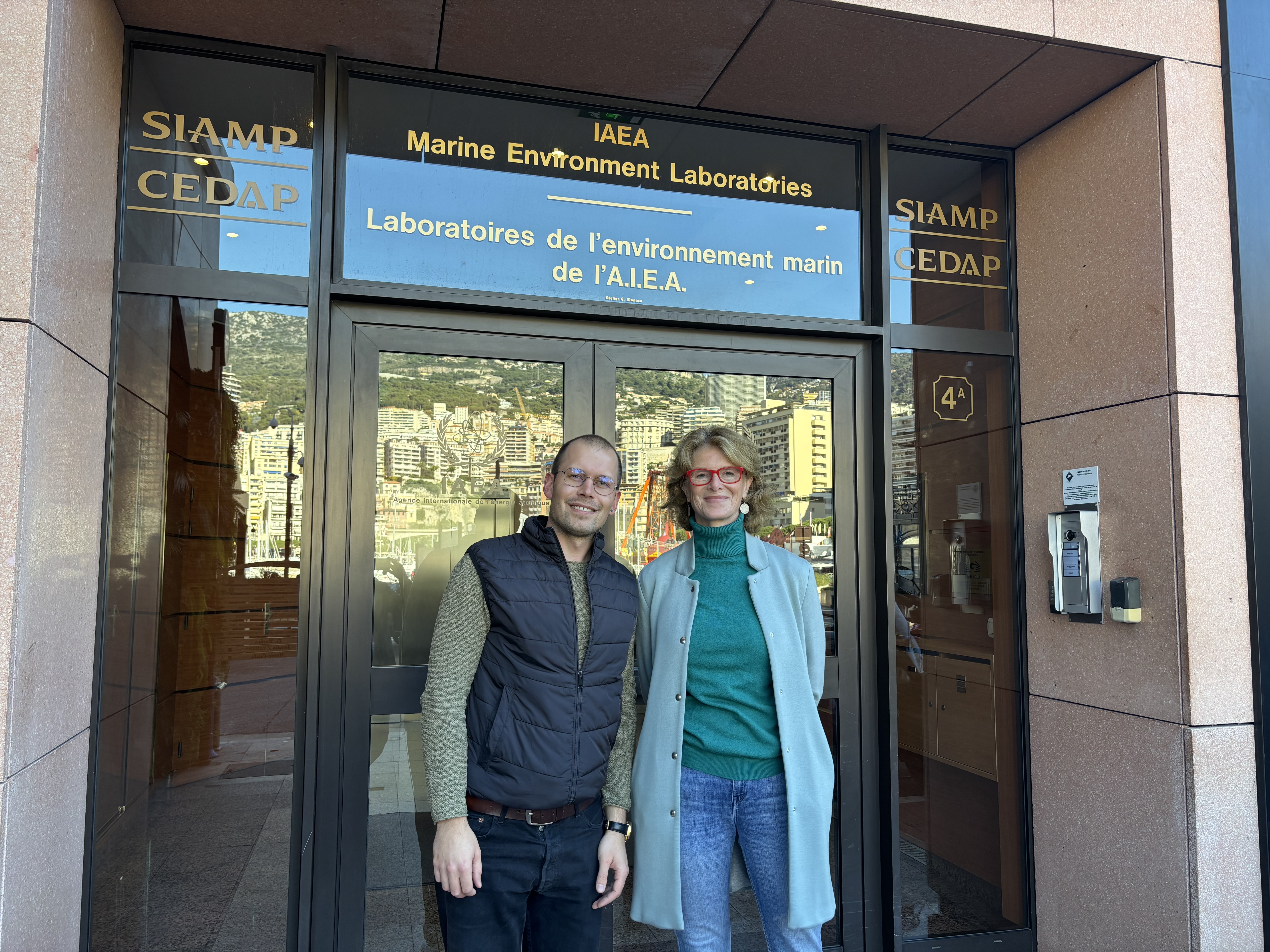
After nearly four years at the Alfred-Wegener-Institute in Bremerhaven encompassing one year of internship and my master thesis, as well as 3 years of PhD research, I am excited to share that I have recently started a new position as Junior Professional Officer (JPO) for Harmful Algal Blooms and Biotoxins at the IAEA Marine Environment Laboratories in Monaco.
This move marks a significant shift in how I engage with science. While my PhD was firmly rooted in the laboratory and field (e.g., culturing algae, extracting toxins, LC/MS-MS analysis) this new role sits at the intersection of research, capacity building, and international policy. As part of the IAEA's Technical Cooperation programme, I will be working with Member States across the globe to strengthen their marine biotoxin monitoring capabilities, support the development of harmonised analytical protocols, and contribute to the scientific foundation of food safety regulation and ocean governance.
Harmful algal blooms are a good example of why this kind of work matters. They are driven by interacting pressures, including eutrophication, climate change and other anthropogenic pressures and threaten aquaculture production, coastal livelihoods, and human health simultaneously. That combination means effective responses cannot come from academic research alone. They require coordination across scientific disciplines, monitoring programmes, regulatory agencies, and international governance frameworks. The more I worked on these systems during my PhD, the more I found myself asking not just ~~what~~ we know, but why so little of it reaches the people making decisions on the ground.
I will continue to pursue original research on harmful algal blooms, marine biotoxins, and the radioligand receptor binding assay alongside these activities. I am genuinely looking forward to broadening my perspective and learning what science looks like when it has to work in thirty different countries at once.
I will use this blog to share reflections from this new phase: on capacity building, on the policy dimensions of marine science, and on what it means to work within an international organisation. More to come soon.